

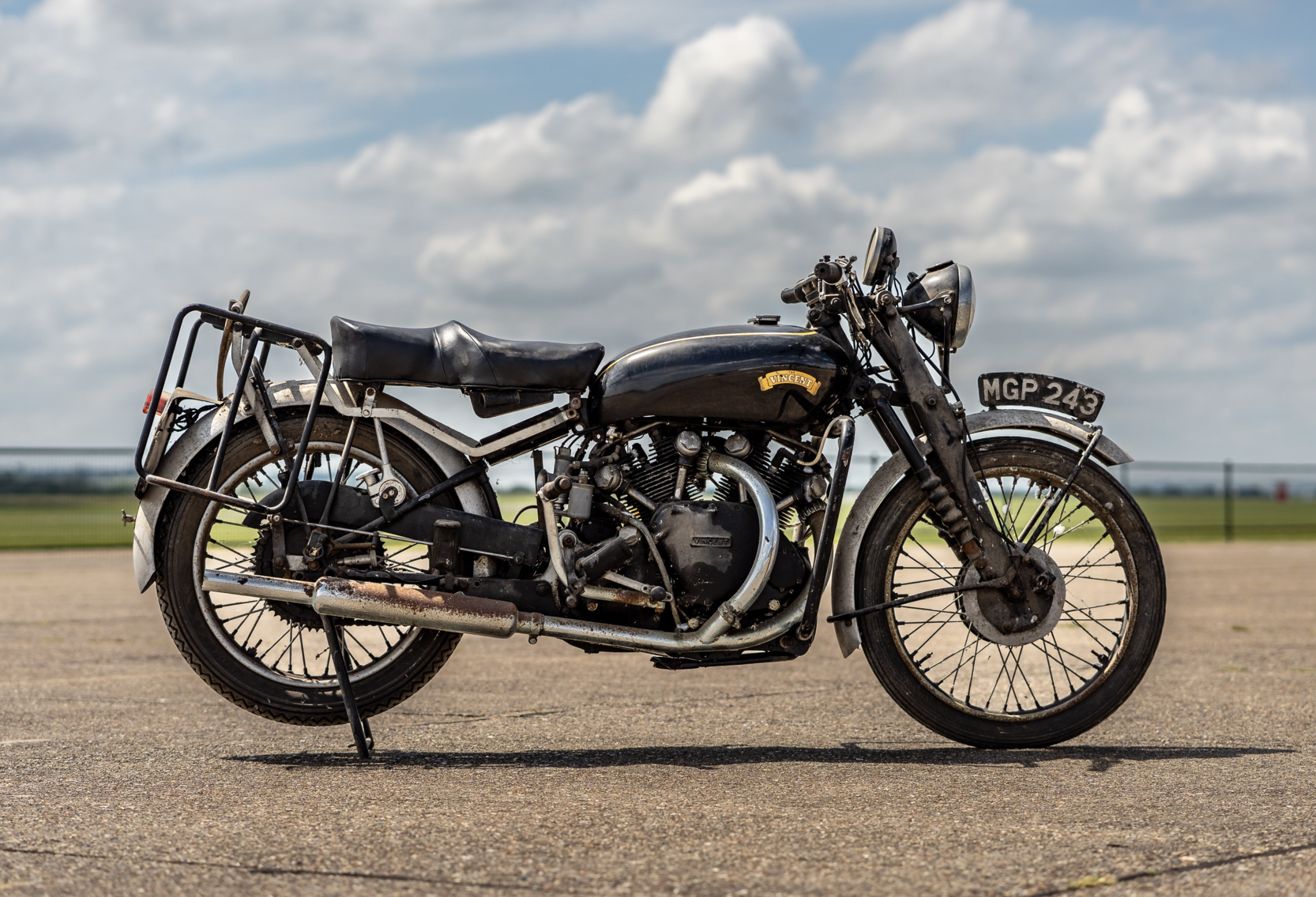
John Feehan regularly looks around the darkest garages for motorcycling treasures…
Ireland, behind creaking shed doors and beneath tarpaulins in quiet farmyards and garages, there are motorcycles waiting. Some are relics of racing glory, others everyday machines parked “just for a while” and never ridden again. Time gathers around them in layers of dust and rust, but also in stories—of owners, families, and eras now fading.
The rediscovery and respectful sale of these bikes is not just a niche hobby; it’s a bridge between generations, preserving mechanical heritage while helping families navigate change.
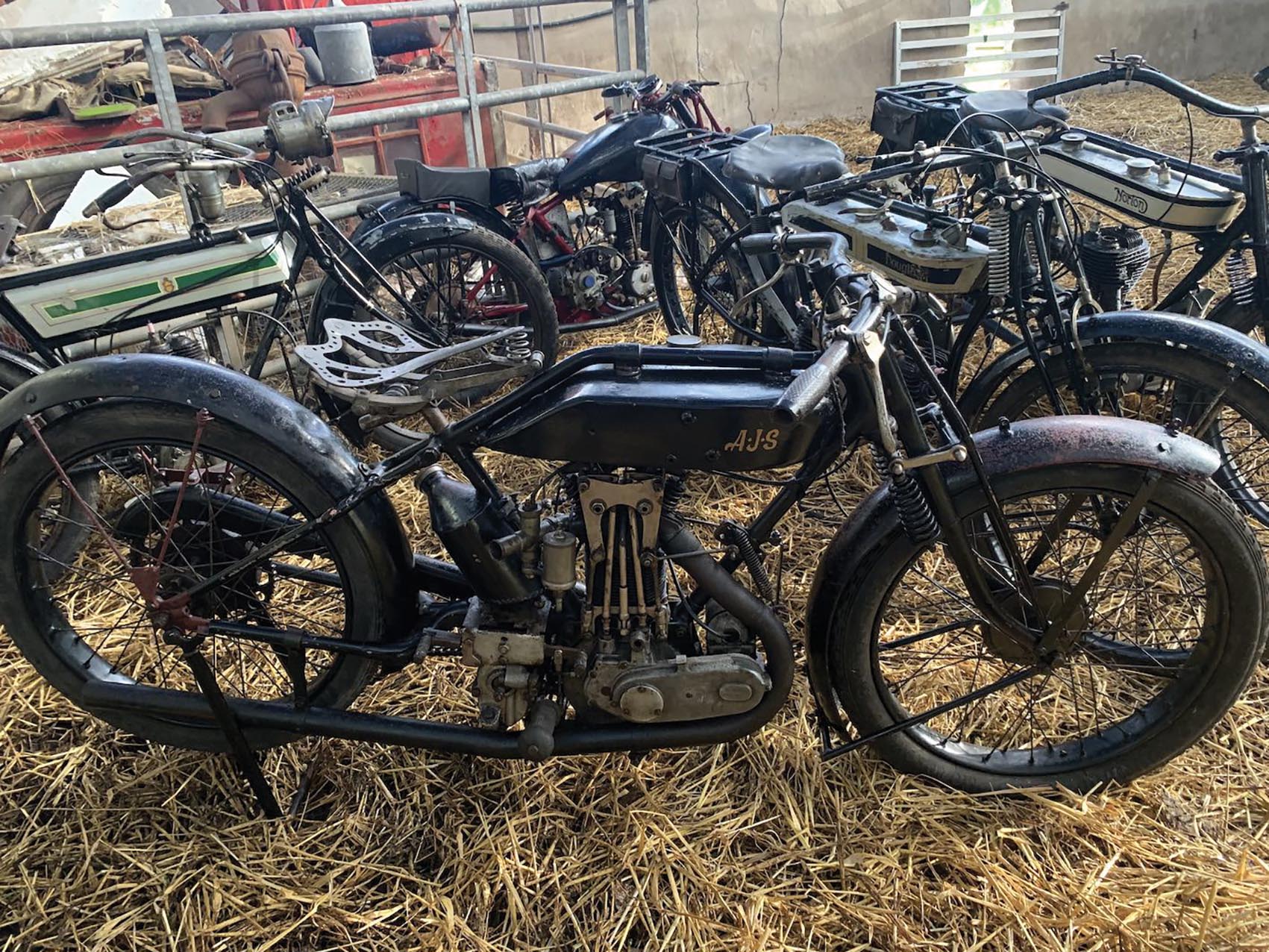
The Irish “Barn Find” Phenomenon
The term “barn find” has become almost mythical in motoring culture. It refers to vehicles discovered after years – sometimes decades – of abandonment in barns, sheds, garages, or even overgrown gardens. These machines can range from near-complete treasures to little more than frames and memories.
Ireland, with its deep rural roots and long motorcycling tradition, is fertile ground for such discoveries. From small farms in Cork to outbuildings in Donegal, motorcycles were often tucked away with the intention of “getting back to them someday.” That day rarely came.
One striking example emerged in Northern Ireland, where a collection of eight historic motorcycles belonging to legendary racing tuner Joe Ryan was found hidden in a barn. These bikes, some dating back to the early 20th century, had been carefully stored for years, effectively frozen in time before being brought to auction. One particular bike in the collection went on to make £20,000. Stories like this aren’t rare – they’re just rarely told.
Why Bikes Get Forgotten
Motorcycles often outlive their usefulness in quiet ways. A rider retires from the road, a mechanical issue becomes too complex, or life simply moves on. In Ireland especially, older generations may have kept bikes as practical tools rather than collector’s items. When they
stopped working—or when the owner stopped riding—they were parked and left. In some cases, collections grow unintentionally. A rider accumulates projects, spare parts, and incomplete machines over decades. What begins as passion can, from the outside, look like
clutter. As a mate of mine bluntly put it when discussing large collections, “It’s not maybe, it is hoarding.” Yet that perspective misses something important: many of these bikes were preserved, not discarded. Without that quiet storage, countless machines would have been scrapped long ago. Finding these hidden motorcycles is rarely a matter of luck alone. It involves networking, local knowledge, and patience. You really need to know what you are looking for, and what you are looking at. Rural communities often know exactly what’s sitting in which shed, and someone usually “knows a lad” with an old Honda or Yamaha sitting in a shed – it just takes the right moment, and the right approach, to open the door.
Finders describe the process as a mix of persistence and timing. Some discoveries come through inheritance, others through chance conversations, and some through years of building trust in communities. In Ireland, word-of mouth is particularly powerful. When a motorcycle is rediscovered, it is rarely just a machine. It is tied to a person – often someone who has passed away or can no longer manage their collection.
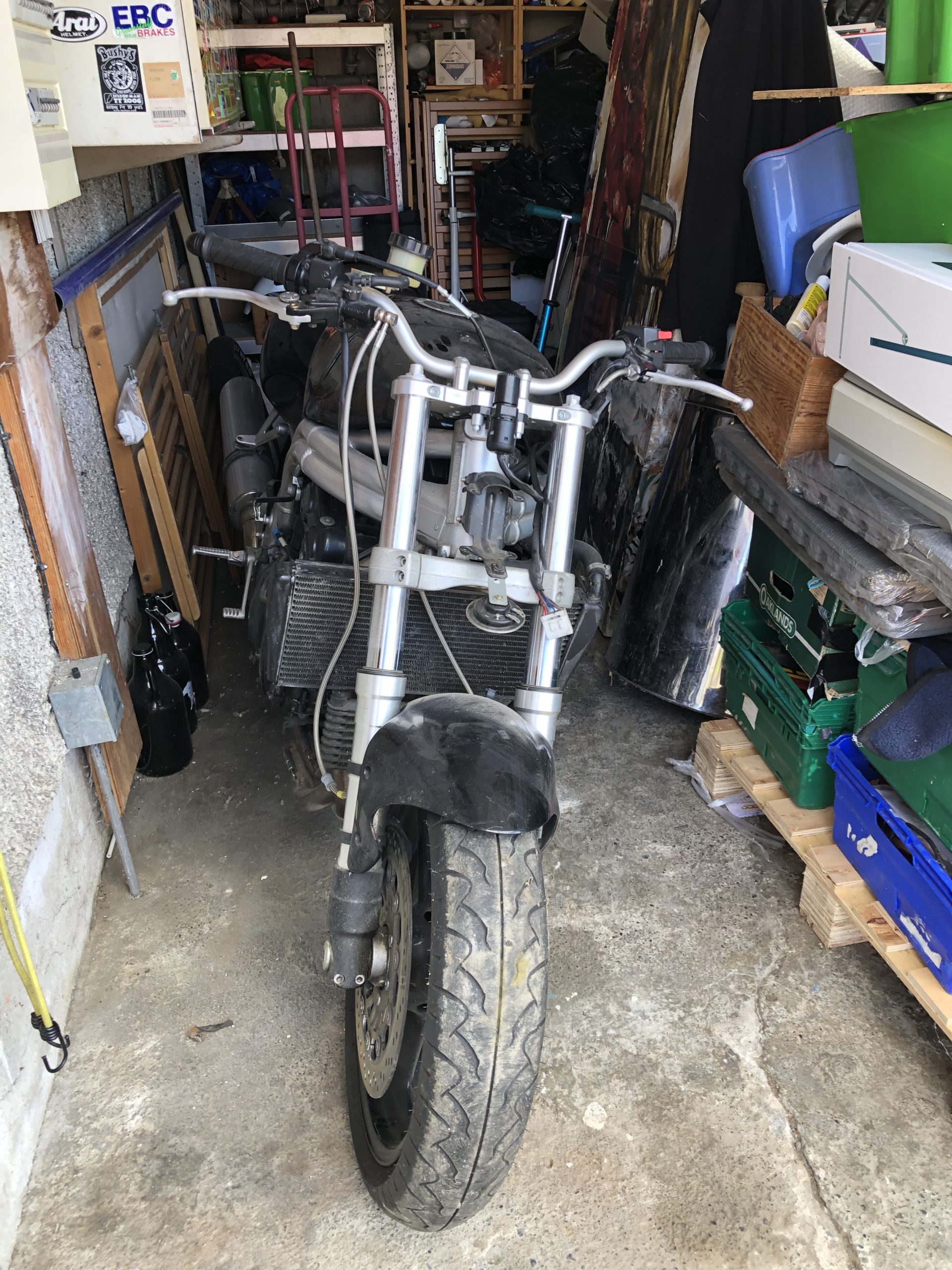
Families are then faced with difficult questions:
- What is this worth?
- Should we restore it or sell it as it is?
- Who would appreciate it properly?
For many families, the process is overwhelming. Old bikes can be complex to assess, and memorabilia—helmets, photographs, trophies, tools—adds another layer of uncertainty.
This is where ethical buyers and specialists play a crucial role. A good restorer or dealer doesn’t just see value in parts; they see the story. Businesses dedicated to classic restoration often emphasize rescuing bikes “from sheds and scrap heaps” and returning them to the road. Handled well, a sale becomes more than a transaction—it becomes a continuation.
Selling with Respect
The best outcomes happen when the process is collaborative. Families who work with knowledgeable collectors or auction houses can ensure that bikes are:
- Properly identified and valued
- Sold to enthusiasts who understand their significance
- Documented, preserving the owner’s legacy
Auctions can be particularly powerful for historically significant machines. The Joe Ryan collection, for example, wasn’t just sold—it was contextualised as part of Irish racing history, increasing both its value and its cultural importance.
Even modest bikes can find meaningful new homes. A small commuter motorcycle from the 1980s might not fetch a high price, but to the right buyer, it’s a piece of living history.
Motorcycle collections rarely consist of bikes alone. They often include:
- Old logbooks and registration papers
- Racing leathers and helmets
- Tools and spare parts
- Photographs and trophies
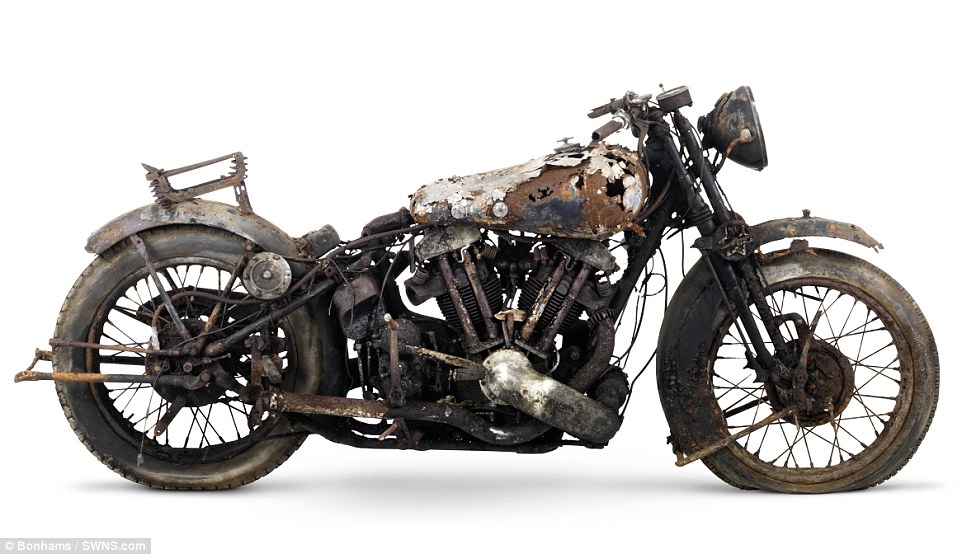
The highly sought Brough Superior 982cc SS100
These items can be just as valuable – financially and emotionally – as the motorcycles themselves. They provide context, authenticity, and a tangible link to the past. For families, sorting through these items can be one of the hardest parts of the process. What looks like clutter may hold significant historical or collector value.
Once a bike is found, a key decision also arises: restore it or leave it as-is? There is growing appreciation for originality. A dusty, untouched motorcycle can sometimes be more desirable than one that has been heavily restored. The wear and patina tell a story that cannot be
recreated. At the same time, restoration can bring a machine back to life, allowing it to be ridden and enjoyed again. Skilled restorers can rebuild engines, source rare parts, and return bikes to their former glory—sometimes from little more than boxes of components. Not every shed find is a goldmine. Some bikes are worth more as scrap than as restoration projects. Key factors include rarity, completeness, and engine condition. A complete but seized classic bike may still hold significant value, while a heavily modified or incomplete machine might not justify the cost of restoration. The right choice depends on the bike, its condition, and its historical significance.
Motorcycling holds a special place in Irish culture, particularly in the north where road racing has deep roots. Machines associated with legendary riders have become part of national heritage, preserved in museums and collections for future generations. But heritage isn’t limited to famous racers. Everyday bikes – the ones used for commuting, farming, or weekend rides – tell a broader story of Irish life. Saving these machines, even in small ways, contributes to that narrative.
Every rediscovered motorcycle represents a second chance. Whether it ends up in a private collection, a museum, or back on the road, it continues a journey that might otherwise have ended in silence. For families, letting go of a collection can be emotional—but it can also be a relief. Knowing that a loved one’s bikes are appreciated, restored, and used again brings a sense of closure. For buyers and restorers, the responsibility is clear: treat each find not just as an object, but as a story entrusted to them.
Despite the challenges, the search for forgotten motorcycles continues to attract a dedicated community in Ireland. It combines elements of history, mechanics, and entrepreneurship. Each bike carries a story – of past journeys, abandoned plans, or changing times. For those willing to put in the effort, these machines offer more than just financial return. Ireland’s sheds and garages still hold countless forgotten motorcycles. Some will never be found, but many will – through curiosity, persistence, and respect. The process of finding and selling these bikes is about more than value. It’s about connection: between past and present, between families and enthusiasts, and between machines and the people who loved them. In rescuing these bikes, we don’t just recover metal – we preserve memory, craftsmanship, and a uniquely Irish piece of history.
